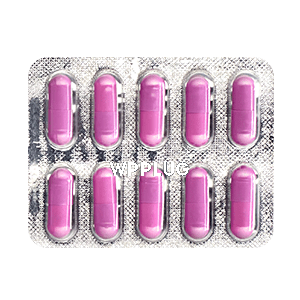
| Product dosage: 150mg | |||
|---|---|---|---|
| Package (num) | Per pill | Price | Buy |
| 30 | $1.45 | $43.40 (0%) | 🛒 Add to cart |
| 60 | $1.23 | $86.79 $73.67 (15%) | 🛒 Add to cart |
| 90 | $1.18 | $130.19 $105.97 (19%) | 🛒 Add to cart |
| 120 | $1.14 | $173.58 $137.25 (21%) | 🛒 Add to cart |
| 180 | $1.10 | $260.38 $197.80 (24%) | 🛒 Add to cart |
| 270 | $1.08
Best per pill | $390.56 $291.66 (25%) | 🛒 Add to cart |
| Product dosage: 300mg | |||
|---|---|---|---|
| Package (num) | Per pill | Price | Buy |
| 30 | $1.61 | $48.44 (0%) | 🛒 Add to cart |
| 60 | $1.40 | $96.88 $83.76 (14%) | 🛒 Add to cart |
| 90 | $1.32 | $145.33 $119.09 (18%) | 🛒 Add to cart |
| 120 | $1.28 | $193.77 $153.40 (21%) | 🛒 Add to cart |
| 180 | $1.25 | $290.65 $225.05 (23%) | 🛒 Add to cart |
| 270 | $1.22
Best per pill | $435.98 $329.00 (25%) | 🛒 Add to cart |
Synonyms | |||
Clindamycin: Targeted Antibiotic Therapy for Serious Bacterial Infections
Clindamycin is a lincosamide antibiotic prescribed for the treatment of a wide range of moderate to severe anaerobic and aerobic bacterial infections. Its potent bacteriostatic action, achieved through inhibition of bacterial protein synthesis, makes it a critical agent in managing skin and soft tissue infections, intra-abdominal infections, and certain bone and joint infections. Healthcare providers value its reliable tissue penetration and efficacy against gram-positive and anaerobic pathogens, particularly in penicillin-allergic patients or cases requiring an alternative to beta-lactam antibiotics. This comprehensive guide details its pharmacological profile, clinical applications, and essential safety information for informed therapeutic use.
Features
- Active Ingredient: Clindamycin phosphate or clindamycin hydrochloride
- Drug Class: Lincosamide antibiotic
- Mechanism of Action: Binds to the 50S ribosomal subunit, inhibiting bacterial protein synthesis
- Spectrum of Activity: Effective against gram-positive aerobes (e.g., Staphylococcus aureus, Streptococcus pyogenes) and anaerobic bacteria (e.g., Bacteroides fragilis, Clostridium perfringens)
- Available Formulations: Oral capsules (150 mg, 300 mg), topical solutions/gels, vaginal creams/ovules, and injectable solutions
- Bioavailability: Approximately 90% for oral administration; not significantly affected by food
- Half-life: 2–3 hours in adults with normal renal and hepatic function
- Metabolism: Hepatic, via cytochrome P450 3A4 (CYP3A4) isoenzymes
- Excretion: Primarily hepatic/biliary; minimal renal excretion
Benefits
- Provides potent bacteriostatic action against a broad spectrum of anaerobic and gram-positive aerobic bacteria
- Offers reliable tissue penetration, including bone, abscess cavities, and polymorphonuclear leukocytes
- Serves as an effective alternative for patients with penicillin allergies or beta-lactam intolerance
- Demonstrates efficacy in polymicrobial infections, reducing the need for multiple antibiotic regimens
- Available in multiple formulations allowing for tailored route of administration (oral, topical, parenteral)
- Supports treatment continuity with well-established oral and intravenous dosing protocols
Common use
Clindamycin is commonly indicated for infections caused by susceptible strains of anaerobic bacteria and certain gram-positive organisms. Typical uses include:
- Skin and soft tissue infections such as cellulitis, abscesses, and wound infections
- Respiratory tract infections including aspiration pneumonia and lung abscess
- Intra-abdominal infections such as peritonitis and intra-abdominal abscess
- Gynecological infections including bacterial vaginosis and pelvic inflammatory disease
- Bone and joint infections, particularly osteomyelitis caused by Staphylococcus aureus
- Dental infections involving anaerobic organisms
- Prophylaxis against bacterial endocarditis in penicillin-allergic patients undergoing dental procedures
Dosage and direction
Dosage varies significantly based on infection severity, patient factors, and formulation:
Oral administration (adults):
- Mild to moderate infections: 150–300 mg every 6 hours
- Severe infections: 300–450 mg every 6 hours
Oral administration (children >1 month):
- 8–12 mg/kg/day divided into 3–4 equal doses for mild to moderate infections
- 13–16 mg/kg/day divided into 3–4 equal doses for severe infections
- Maximum dose should not exceed 1.8 g/day
Intravenous administration (adults):
- Moderate infections: 600–1200 mg/day divided into 2–4 doses
- Severe infections: 1200–2700 mg/day divided into 2–4 doses
- Life-threatening infections: up to 4800 mg/day
Topical administration:
- Apply thin layer to affected area twice daily
Duration of therapy typically ranges from 7 to 14 days depending on infection type and clinical response. Always complete the full course of therapy even if symptoms improve earlier.
Precautions
- Monitor for development of diarrhea throughout therapy and for several weeks after discontinuation
- Use with caution in patients with gastrointestinal diseases, particularly colitis
- Exercise caution in patients with hepatic impairment; consider dosage adjustment
- May cause electrolyte imbalances; monitor in patients receiving prolonged therapy
- Topical application may cause contact dermatitis; discontinue if severe irritation occurs
- Vaginal formulations may weaken latex condoms and diaphragms
- Not recommended during pregnancy unless clearly needed (Category B)
- Excreted in breast milk; consider risk/benefit during breastfeeding
Contraindications
- Hypersensitivity to clindamycin, lincomycin, or any component of the formulation
- History of antibiotic-associated colitis, including pseudomembranous colitis
- History of regional enteritis or ulcerative colitis
- Concomitant administration with erythromycin (antagonistic effect)
- Severe hepatic impairment without appropriate dosage adjustment
Possible side effect
Common (≥1%):
- Gastrointestinal: nausea, vomiting, abdominal pain, diarrhea
- Dermatological: rash, pruritus
- Local reactions: pain at injection site, phlebitis with IV administration
Less common (<1%):
- Clostridium difficile-associated diarrhea (may range from mild to life-threatening colitis)
- Esophagitis, metallic taste
- Transient elevations in liver enzymes
- Leukopenia, neutropenia, thrombocytopenia
- Vaginal itching or discharge with vaginal formulations
- Allergic reactions including urticaria, angioedema
Rare:
- Stevens-Johnson syndrome, toxic epidermal necrolysis
- Hepatitis, jaundice
- Polyarthritis
- Cardiovascular collapse with rapid IV administration
Drug interaction
- Erythromycin: Pharmacological antagonism; avoid concomitant use
- Neuromuscular blocking agents: May enhance neuromuscular blockade
- Opioid analgesics: May prolong gastrointestinal transit time, increasing risk of pseudomembranous colitis
- CYP3A4 inducers (rifampin, phenytoin): May decrease clindamycin concentrations
- CYP3A4 inhibitors (ketoconazole): May increase clindamycin concentrations
- Oral contraceptives: Possible decreased efficacy; recommend backup contraception
Missed dose
If a dose is missed, take it as soon as remembered unless it is almost time for the next dose. Do not double the dose to make up for a missed one. Maintain regular dosing intervals to ensure consistent antibiotic levels. For once-daily regimens, if remembered within 12 hours of missed dose, take immediately; if more than 12 hours, skip and resume regular schedule.
Overdose
Symptoms may include severe gastrointestinal distress (nausea, vomiting, diarrhea), neurological symptoms, and hepatotoxicity. No specific antidote exists. Management is supportive: gastric lavage if recent ingestion, symptomatic treatment, and maintenance of electrolyte balance. Hemodialysis is not effective for removal. In cases of severe C. difficile colitis resulting from overdose, specific treatment with vancomycin or fidaxomicin may be indicated.
Storage
- Store at controlled room temperature (20–25°C or 68–77°F)
- Protect from light and excessive moisture
- Keep oral capsules in tightly closed container
- Injectable solutions should be stored according to manufacturer specifications
- Do not freeze liquid formulations
- Keep all medications out of reach of children and pets
- Properly discard expired medication according to local regulations
Disclaimer
This information is for educational purposes only and does not constitute medical advice. Always consult a qualified healthcare professional for diagnosis and treatment recommendations. Dosage and administration should be determined by a physician based on individual patient factors. The prescriber should review complete prescribing information before initiating therapy. Not all possible uses, precautions, side effects, or interactions are listed here.
Reviews
“Clindamycin has been invaluable in our surgical practice for managing post-operative infections, particularly those involving methicillin-sensitive Staphylococcus aureus. Its bone penetration properties make it especially useful in orthopedic cases.” — Surgical Specialist, 15 years experience
“As an infectious disease specialist, I appreciate clindamycin’s role in treating anaerobic infections. However, I maintain heightened vigilance for C. difficile colitis, which requires immediate intervention when suspected.” — Infectious Disease Physician, 12 years experience
“In dermatology practice, topical clindamycin remains a cornerstone of acne treatment regimens, particularly in combination with benzoyl peroxide to reduce resistance development.” — Dermatologist, 8 years experience
“While effective, we carefully reserve clindamycin for appropriate indications in pediatric patients due to the potentially serious nature of side effects. Parent education about diarrhea monitoring is essential.” — Pediatric Infectious Disease Specialist, 10 years experience